When it comes to achieving flawless lash extensions, success isn’t just about technique or lash quality—it starts with choosing the right lash adhesive viscosity. This one factor can impact your application speed, lash retention, and client satisfaction more than you might think.
Whether you’re new to lashing or a seasoned pro, understanding the difference between thin, medium, and thick viscosity adhesives will help you work smarter, not harder.
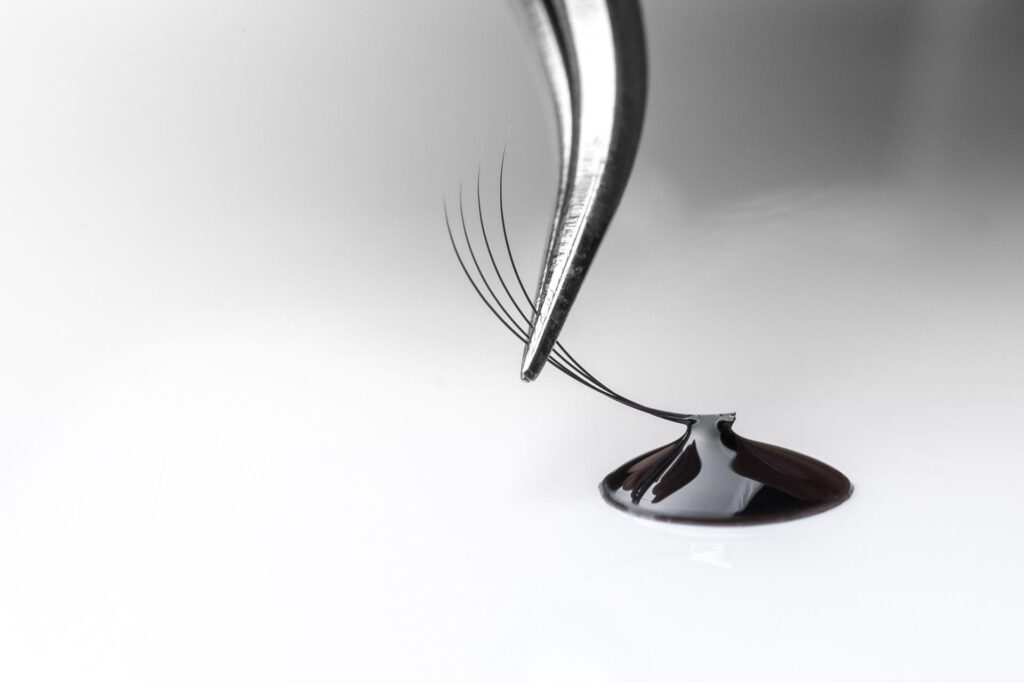
What Is Viscosity in Lash Glue?
In simple terms, viscosity refers to how thick or thin a liquid is. For lash glue, it determines:
- How the glue flows from the bottle
- How easily it wraps around natural lashes
- How quickly it dries
It’s usually measured in centipoise (cPs):
- Low viscosity (thin) – like water
- High viscosity (thick) – like honey
- Medium viscosity – somewhere in between, offering the best of both worlds
Why it matters:
Viscosity affects everything from pickup control and drying time to lash bonding and long-term retention. Choosing the right adhesive texture is essential for consistent, high-quality results.
Choosing the Right Lash Adhesive Viscosity
Each lash artist has different needs depending on skill level, lashing style, and work environment. Here’s a breakdown of which viscosity might suit you best:
🔹 Thin Viscosity Lash Glue
Thin lash glue—also known as low viscosity adhesive—has a fluid, water-like consistency with a typical viscosity range of 100–150 centipoise (cPs). It flows easily, bonds quickly, and is most commonly used in fast-drying formulas.
This type of adhesive is designed for speed, precision, and ultra-lightweight application, making it a favorite among experienced lash artists who work with confidence and efficiency.
✅ Best For:
- Lash artists with fast hand speed
- Classic or volume sets (when handled by experienced techs)
- High-humidity environments (helps reduce shock curing)
- Clients with healthy, strong natural lashes
🌟 Benefits:
- Ultra-fast drying time (typically 0.3–1 second)
- Creates seamless, lightweight bonds
- Ideal for achieving a natural-looking finish
⚠️ Things to Consider:
- Not recommended for beginners due to fast bonding time
- It can be difficult to control in low humidity
- May lead to retention issues if applied too slowly
- Requires precise drop pickup to avoid running or dripping
Pro Tip: Pair thin adhesives with a hygrometer in the room and refresh your glue drop every 10–15 minutes to maintain consistency.
🔸 Thick Viscosity Lash Glue (High Viscosity)
Thick lash glue—also known as high viscosity adhesive—has a dense, honey-like consistency with a viscosity typically above 200 centipoise (cPs). It flows slowly and offers maximum control, making it ideal for lash artists who prefer a more deliberate, paced application.
This adhesive is especially useful for volume and mega volume fans, as it helps maintain fan shape and supports stronger bonds—perfect for clients with sparse or weak natural lashes.
✅ Best For:
- Beginner to moderate-speed lash artists
- Volume or mega volume sets
- Low-humidity environments (helps prevent premature curing)
- Clients with fine, weak, or sparse natural lashes
🌟 Benefits:
- Slower drying time (typically 2–3 seconds) allows for more precise placement
- Flows slowly—less risk of dripping or overuse
- Creates strong, durable bonds that enhance lash retention
⚠️ Things to Consider:
- Not ideal for fast-paced lashing or high humidity
- May produce bulkier bonds if over-applied
- Requires a careful pickup technique to avoid using too much glue
Pro Tip: Gently warm the adhesive (room temp only) in cold conditions to improve flow without compromising performance.
🔸 Medium Viscosity Lash Glue
Medium viscosity lash glue is the “just right” option—offering a perfect balance between control and speed. With a viscosity range of approximately 150–200 centipoise (cPs), this type of adhesive flows smoothly and predictably, making it one of the most versatile choices for lash artists.
It’s ideal for moderate-paced lash techs who work in varying room conditions or alternate between classic and volume sets. If you’re looking for a go-to adhesive that adapts to different situations, medium viscosity is your best friend.
✅ Best For:
- Lash artists with a moderate hand speed
- Classic and volume lash applications
- Studios with fluctuating humidity levels
🌟 Benefits:
- Drying time: ~1–2 seconds
- Smooth, controlled flow without excessive dripping
- Great for flexible lashing styles
- Adapts well to changing room conditions
⚠️ Things to Consider:
- May not dry fast enough for high-speed lashers
- Could be too quick for absolute beginners
- Less specialized than thin or thick glues for extreme conditions
Pro Tip: Use this adhesive as your default when you’re working across different climates, lash styles, or client types—it’s a reliable middle ground.
🔍 Quick Comparison: Thin vs. Medium vs. Thick Lash Adhesive
| Feature | Thin | Medium | Thick |
| Drying Speed | Very fast | Balanced | Slower |
| Control | Low | Medium | High |
| Best For | Advanced techs | All-around use | Beginners / Volume |
| Humidity Suitability | High humidity | Fluctuating conditions | Low humidity |
How Lash Adhesive Viscosity Affects Your Lash Sets
Understanding how viscosity impacts your lashing outcomes is key to choosing the right glue for your environment and style.
✅ Retention & Bonding Strength
- Thicker adhesives tend to form stronger, longer-lasting bonds—ideal for clients needing extra retention.
- Thinner adhesives form lighter, more flexible bonds, but require precise, fast placement for optimal hold.
✅ Application Flow & Workflow
- Thin glues enhance speed—great for high-volume lashers.
- Thick glues slow the pace but offer maximum control, reducing the risk of mistakes.
- Medium glues offer the best of both worlds for balanced application.
✅ Adaptability to Humidity
- Thin adhesives thrive in humid environments.
- Thick adhesives perform better in dry rooms.
- Medium adhesives adapt to variable humidity, making them ideal for unpredictable studio climates.
💡 Pro Tip: Always use a hygrometer to monitor your lash room’s temperature and humidity. This small tool makes a big difference in adhesive performance and client satisfaction.
What Influences Lash Glue Viscosity?
Even the highest-quality adhesive can underperform if influenced by external or environmental factors. Understanding these variables will help you maintain consistency, control, and retention in every set.
✅ Adhesive Quality
Not all lash glues are created equal. The purity and formulation of ingredients—especially cyanoacrylate—play a major role in how the glue behaves over time.
Low-quality lash glues may:
- Separate or clump during storage
- Thicken prematurely after opening
- Deliver inconsistent drying times or bonding strength
💡 Pro Tip: Always choose adhesives made with high-purity cyanoacrylate and lab-tested for consistency. Reliable glue equals better retention and fewer surprises.
🌡️ Room Temperature
Lash adhesive viscosity is highly sensitive to temperature. Even small changes can impact how the glue behaves during application.
- Below 16°C (60°F): Glue becomes thicker, harder to dispense, and may affect wrapping around natural lashes.
- Above 24°C (75°F): Glue may become too runny, making it difficult to control and leading to over-application.
💡 Tip: Use a temperature-controlled adhesive storage box to keep your glue at a consistent room temperature, especially in studios with fluctuating climate conditions.
🔄 Mixing Technique
Most black lash adhesives contain carbon black pigment, which naturally settles over time. Without proper shaking, the glue can turn stringy, uneven, or gloopy—affecting bond quality and drying time.
How to mix glue properly:
- Manual shake: 1–2 minutes
- Electric shaker: 10–15 seconds
- Shake between clients to maintain uniform consistency throughout the day
Even a new bottle needs to be shaken before first use. Don’t skip this step—it makes a big difference!
⚠️ Product Interaction
Sometimes the issue isn’t your glue—it’s what you’re using with it.
Prep products like primers or accelerators can cause unexpected changes in viscosity, especially during pickup.
Common reactions:
- Adhesive turns stringy
- Glue cures too fast on the lash strip
- Feels thick or gloopy mid-application
💡 Reminder: Always test how your adhesive interacts with your prep products before regular use. Some combos may work better than others depending on your formula.
📦 5. Storage Conditions
Proper storage is key to maintaining your lash glue’s viscosity and performance.
- Unopened glue: Store in a cool, dark place between 5–15°C. Refrigeration is optional but can help extend shelf life.
- Opened glue: Keep in an airtight container at room temperature, away from moisture and temperature fluctuations.
⚠️ Avoid exposing glue to:
- Direct sunlight
- Heaters or high heat sources
- Lash glue fumes (store away from other opened adhesives)
✅ Best Practices to Maintain Ideal Viscosity
- Keep room temperature between 16–24°C
- Shake glue before each use to mix pigments and maintain consistency
- Store in a cool, dry place, away from humidity and sunlight
- Replace glue every 4–6 weeks after opening for best performance
- Choose trusted suppliers who test for ingredient quality and consistency
🤝 Partnering with the Right Lash Glue Supplier
At Naked Lash, we offer a professional range of premium adhesives, all crafted with high-grade cyanoacrylate and rigorously lab-tested to deliver consistent performance and safety—batch after batch. Our lineup includes Gentle Bond and Naked Pro Bond, both with ultra-fast 0.5–1 second drying times and low fumes, ideal for advanced lash artists seeking maximum efficiency. Blink Bond stands out with an ultra-thin 0.3-second dry time for precision work, while Elite Bond offers a slightly slower 1–2 second dry time and medium fumes, perfect for those who prefer more flexibility during application. Ultra Bond combines a balanced viscosity (120–150 CPS) with strong 7-week retention, while Invisible provides a transparent finish for a seamless look without compromising hold. All adhesives perform best in temperatures between 17–23°C and humidity levels of 45–60%, ensuring optimal bonding power and retention for your lash sets.
| Adhesive | Drying Time | Retention | Color | Viscosity | Fume Level | Shelf Life |
| Gentle Bond | 0.5s | 6 weeks | Black | Thin | Low | 6 months |
| Naked Pro Bond | 0.5–1s | 7 weeks | Black | Thin | Low | 6 months |
| Blink Bond | 0.3s | 7 weeks | Black | Ultra Thin | Low | 6 months |
| Elite Bond | 1–2s | 6 weeks | Black | Thin | Medium | 6 months |
| Ultra Bond | 0.5s | 6 weeks | Black | 120–150 CPS | Low | 6–8 months |
| Invisible | 1–2s | 7 weeks | Transparent | Medium | Low | 6 months |
Optimal Conditions for All Adhesives:
Temperature: 17–23°C | Humidity: 45–60%
💬 Final Thoughts
Choosing the right lash adhesive viscosity isn’t just a matter of preference—it’s a professional strategy that directly impacts your lash sets, retention, and client satisfaction.
- Thin adhesive = Speed and seamless sets
- Thick adhesive = Control and strong retention
- Medium adhesive = Flexibility and balance
🔍 Not sure which glue is right for you?
Explore the full Naked Lash adhesive collection, or reach out for a personalized recommendation based on your lashing style and environment.
📸 Stay Connected and follow us on Instagram @nakedlashpro for tutorials, pro tips, and real-time product highlights.
